Garlich Printing: Naphtha and Water Separation Case Study

How Garlich Printing Cut Solvent Purchasing and Waste Hauling Costs with Maratek’s SRS-100 Solvent Recycling System

2003 CASE STUDY | PRINTING

Customer: Garlich Printing
Location: Fenton, MO, USA
Equipment: SRS-100 Solvent Recycling System

Garlich Printing’s printing and blanket-wash operations produced a waste stream of 50% petroleum naphtha and 50% water. The company needed an automated way to separate the two on-site instead of paying to haul the whole mixture away.

Maratek installed the SRS-100 in 2003. It uses vacuum distillation to split the waste into clean, reusable solvent and treated water.

The outcome: Garlich Printing significantly reduced solvent purchasing and waste hauling costs by recovering reusable solvent on-site.

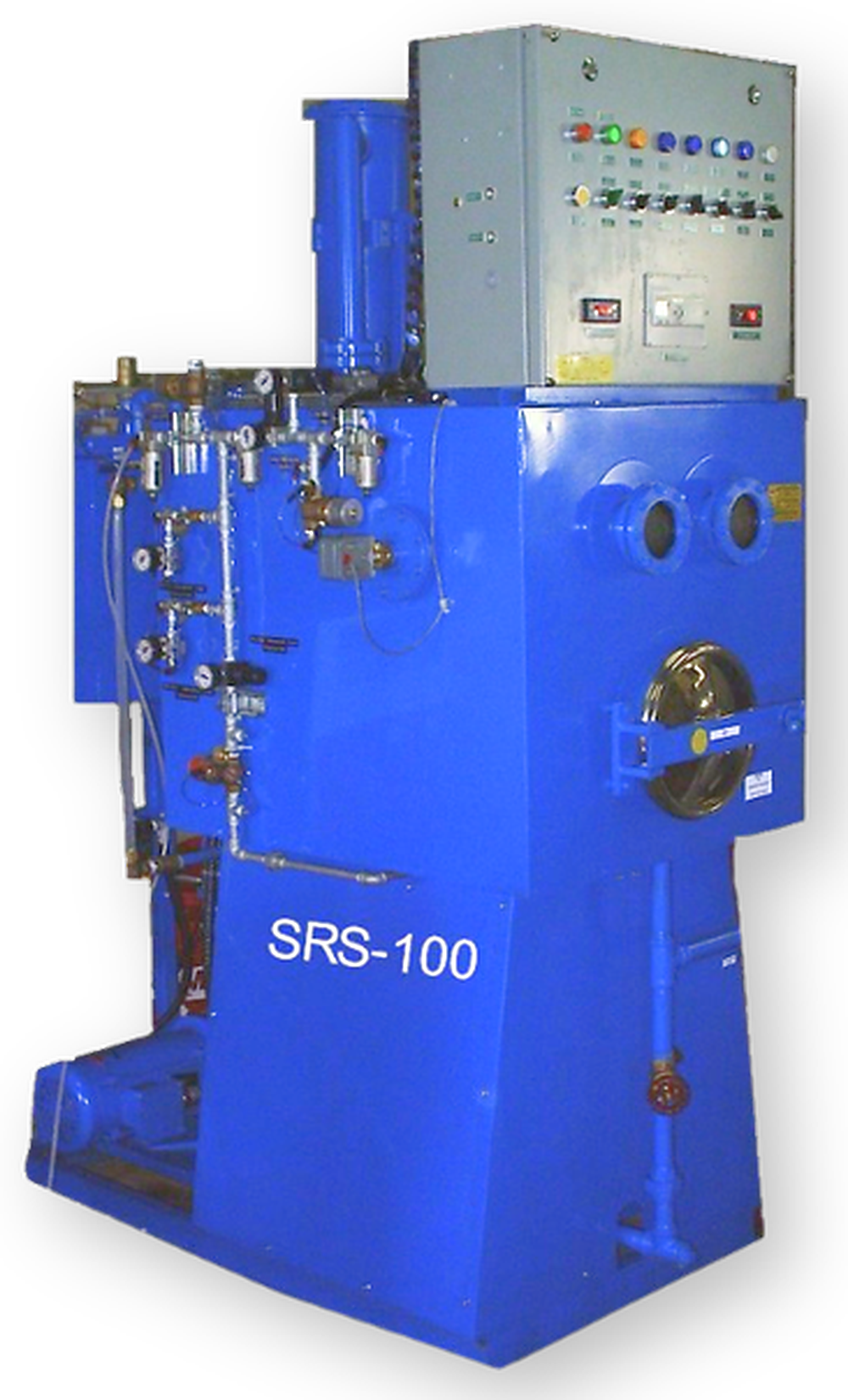
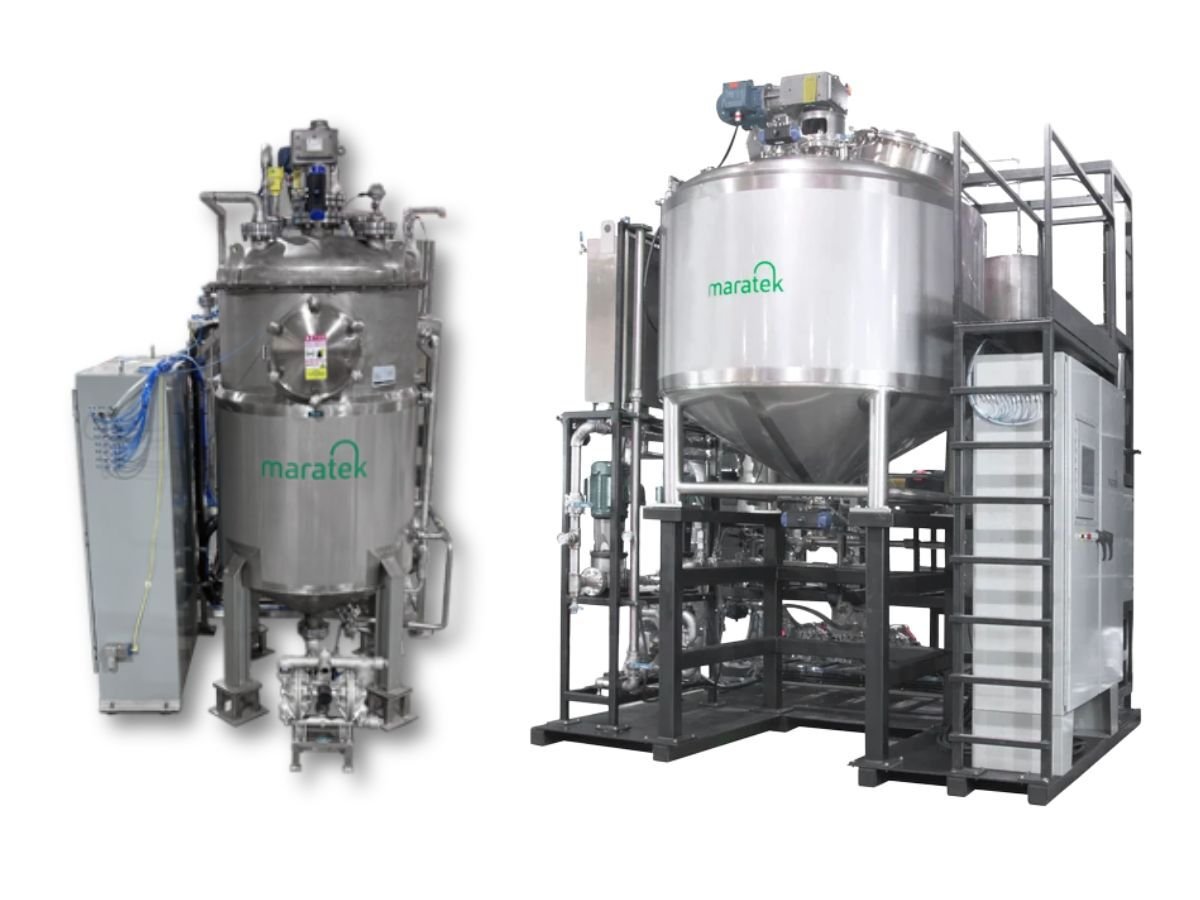
Maratek SRS-100 solvent recycling system at Garlich Printing
Chemistry icon

SRS-100 Solvent Recycling System 

Solvent recovery icon

50% Naphtha, 50% Water Waste 

Equipment performance icon

Clean, Reusable Solvent Recovered On-Site 

Safety specification icon

Safe, Continuous Solvent Recovery 

Automation icon

Automated Drum Processing

The Challenge: Paying to Dispose of Recoverable Solvents

Garlich Printing’s Requirements

Garlich Printing’s printing and blanket-wash operations generated a blended waste stream of 50% petroleum naphtha and 50% water. The whole mixture went off-site for disposal. That meant high hauling costs, lost solvent value and a heavier environmental burden.

The company needed a reliable, automated system that could separate solvent from water efficiently. It also wanted to lower operating costs and improve its environmental performance.

Maratek’s Solution: SRS-100 Solvent Recycling System

Maratek installed the SRS-100 in 2003, engineered specifically for mixed waste streams from printing operations. Key features include:

  • Vacuum distillation: Separates petroleum naphtha from water.
  • Separate output containers: Collects clean, reusable solvent and treated water apart from each other.
  • Automated drum processing: Runs each drum with minimal operator involvement.
  • Stainless steel construction: Provides long-term durability.
  • Continuous, consistent operation: Delivers safe, reliable solvent recovery for printing facilities.
SRS-100 vacuum distillation unit separating naphtha from water

The Results: Savings, Waste Reduction and Efficiency

The SRS-100 turned a costly waste stream into reusable solvent and treated water.

  • Cost Savings: Garlich Printing significantly reduced solvent purchasing and waste hauling expenses by recovering reusable solvent on-site.
  • Waste Reduction: Separating reusable solvent from water reduced the mixed waste stream and minimized hazardous waste disposal needs.
  • Operational Efficiency: Automated batch operation processes each drum with minimal staff interaction.
  • Environmental Impact: On-site recycling lowered the company’s environmental footprint.
  • Process Improvement: The system produced clean solvent suitable for re-blending and treated water ready for reuse or compliant disposal.

Find Your Payback: Three Volume Scenarios

Whether you process 1 drum a day or 6+, there’s a Maratek solution.

The figures below are example scenarios for in-house solvent recovery in general, not results from the Garlich Printing project.

Daily Volume1 Drum/Day4 Drums/Day6 Drums/Day
Monthly Gallons1,155 gal4,620 gal6,930 gal
Estimated Monthly Savings$7,500$25K–$35K$40K–$60K
Estimated Equipment Cost$75K–$90K$150K–$250K$250K–$350K
Payback Period1 Year6–9 Months6–9 Months
10-Year Savings$900,000$1.5M–$3.15M$2.4M–$5.4M

Example results. Contact us to calculate your equipment sizing and ROI based on your operation.
Calculate My Payback

What Made the Garlich Printing Project Different?

The SRS-100 was engineered for a waste stream that was half solvent and half water.  

Naphtha-Water Separation

Vacuum distillation splits a 50% naphtha, 50% water waste stream into reusable solvent and treated water.

Hands-Off Drum Processing

Automated batch operation processes each drum with minimal operator involvement.

Built to Last

Stainless steel construction gives the SRS-100 long-term durability.

Explore Related Solvent Recovery Solutions

Learn more about Maratek's recovery equipment and engineering services.

Maratek (1)

Solvent Saver Series

Learn about Maratek's solvent saver recovery equipment.

Explore Equipment
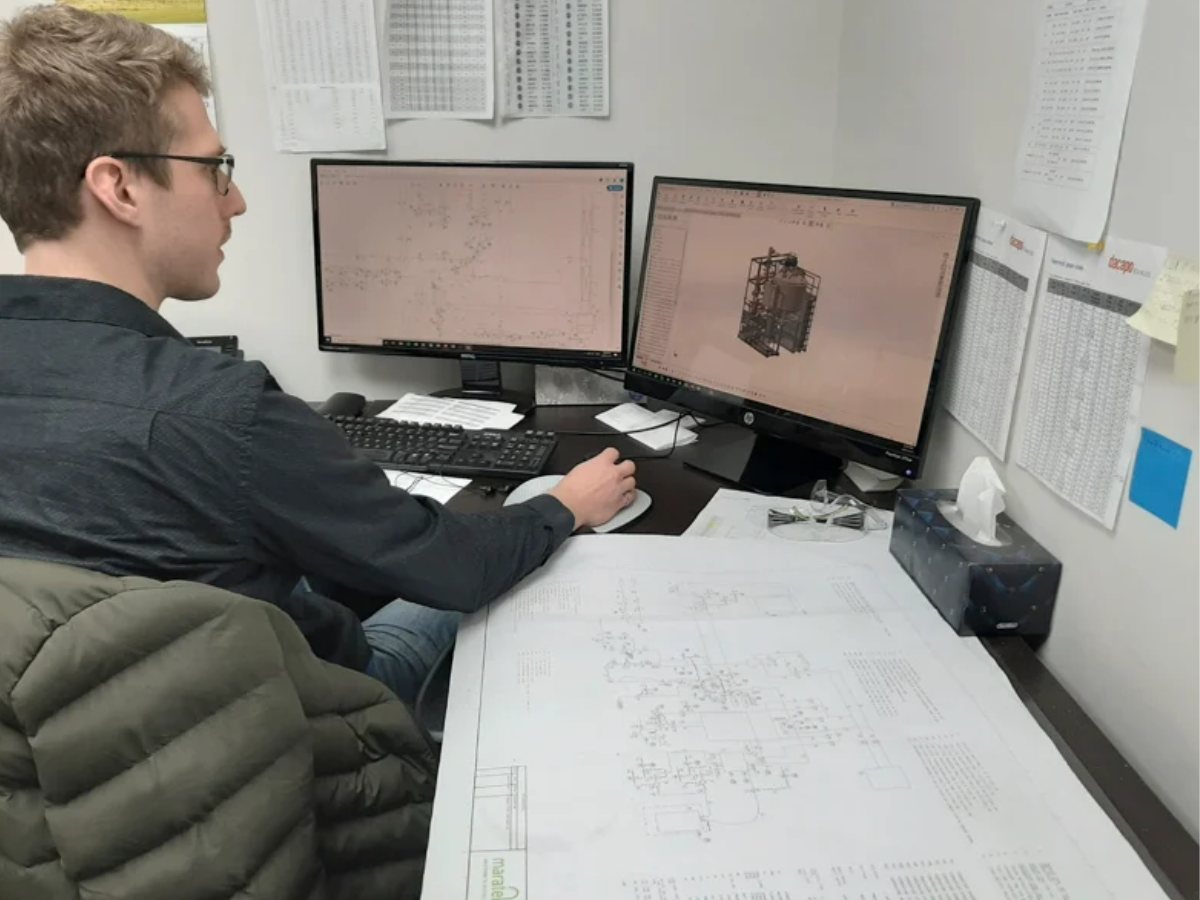
Maratek engineer designing a custom solvent recovery system in CAD

Engineered-to-Order Systems

See how custom engineering can address your specific needs.

Explore Engineering

Frequently Asked Questions

What waste stream did Garlich Printing need to recycle?

Garlich Printing’s printing and blanket-wash operations produced a blended waste of 50% petroleum naphtha and 50% water.

What equipment did Maratek install at Garlich Printing?

Maratek installed the SRS-100 Solvent Recycling System in 2003, engineered for mixed waste streams from printing operations.

How does the SRS-100 separate solvent from water?

The SRS-100 uses vacuum distillation to separate petroleum naphtha from water. It produces clean, reusable solvent and treated water in separate containers.

Is the SRS-100 automated and durable?

Yes. It processes each drum automatically with minimal operator involvement, and its stainless steel construction is built for long-term durability.

What results did Garlich Printing see?

Garlich Printing significantly reduced solvent purchasing and waste hauling costs and cut its hazardous waste disposal needs. The case study does not give a dollar savings figure.

Turn paint thinner waste into savings with a fast payback. Request a quote today.