---
title: How Solvent Recovery Equipment Offsets Disposal Costs
description: Rising solvent disposal costs are changing the payback equation - here's when on-site recycling becomes the stronger financial choice.
image: https://www.maratek.com/hubfs/2026/Blogs/Offset%20Costs%20b.jpeg
---
[** +1 800-667-6272](tel:+18006676272)
[ Maratek Environmental Solvent Recycling Services](https://www.maratekenvironmental.com)
[Request a Quote](https://www.maratek.com/quote-request-today)
[](https://www.maratek.com)
- [Solvent Recovery & Recycling](https://www.maratek.com/industry-solutions)
- Solvent Saver Series
- [Large - SSC](https://www.maratek.com/batch-solvent-recycling-units-continuous)
- [Medium - SSBP](https://www.maratek.com/solvent-saver-batch-premium)
- [Small - SSB](https://www.maratek.com/solvent-recycling-units-batch)
- [FLEXO - SSF](https://www.maratek.com/solvent-saver-flexo)
- [Printing - SSP](https://www.maratek.com/solvent-recycling-units-printing)
- [Solvent Saver Engineered](https://www.maratek.com/engineer-to-order)
- [Fractional Distillation](https://www.maratek.com/fractional-distillation)
- [Share The Savings](https://www.maratek.com/sharethesavings)
- [Industries We Serve](https://www.maratek.com/industry-applications)
- [Botanicals >>](https://www.maratek.com/cannabis-hemp-oil-recovery-extraction-equipment)
- [Hot Air Extraction](https://www.maratek.com/en-ca/vapor-static)
- [Solvent Solutions >>](https://www.maratek.com/cannabis-hemp-solvent-recovery-oil-and-ethanol-recovery-solutions)
- [Ethanol >>](https://www.maratek.com/ethanol-recovery)
- [Hydrocarbon](https://www.maratek.com/hydrocarbon-extraction)
- [CO2 / Winterization](https://www.maratek.com/automatic-winterization)
- [Post Processing >>](https://www.maratek.com/oil-post-processing)
- [Distillation Equipment](https://www.maratek.com/cannabis-distillation-equipment)
- [Winterization](https://www.maratek.com/automatic-winterization)
- [Dewatering & Reproofing](https://www.maratek.com/reproofing-dewatering)
- Other
- [Engineered to Order](https://www.maratek.com/engineer-to-order)
- [Oil Recovery & Recycling](https://www.maratek.com/oil-recycling-equipment)
- [OVR Model](https://www.maratek.com/ovr-oil-recycler)
- [TORS Model](https://www.maratek.com/tors-transformer-oil-regeneration-system)
- [Wastewater Purification](https://www.maratek.com/wastewater-purification-treatment-equipment)
- [Aquamizer M](https://www.maratek.com/wastewater-treatment-aquamizer-m)
- [Aquamizer F](https://www.maratek.com/wastewater-treatment-aquamizer-f)
- [Roto-Disc](https://www.maratek.com/water-purification-roto-disc-liquid-filters)
- [Batteries / NMP](https://www.maratek.com/battery-manufacturing)
- [Cathode VOC Capture](https://www.maratek.com/vapor-capture)
- [Fractional Distillation](https://www.maratek.com/fractional-distillation-battery-solvent)
- [Single Stage Distillation](https://www.maratek.com/single-stage-battery-solvent-recovery)
- Engineering
- [Contract Manufacturing](https://www.maratek.com/contract-manufacturing)
- [Process Design](https://www.maratek.com/process-design)
- [Mechanical Design](https://www.maratek.com/mechanical-design)
- [Project Execution](https://www.maratek.com/project-execution)
- About Us
- [Contact Us](https://www.maratek.com/contact-us)
- [About Maratek](https://www.maratek.com/about)
- [Share the Savings](https://www.maratek.com/sharethesavings)
- Learn
- [Resources](https://www.maratek.com/resources)
- [Industrial Blog](https://www.maratek.com/blog)
- [ROI Calculator](https://www.maratek.com/roi-calculator)
- [FAQ](https://www.maratek.com/faq)
- [Parts & Service](https://www.maratek.com/parts-and-services)
- [Partnership Opportunities](https://www.maratek.com/partnership-opportunities)
- [Sales Terms](https://www.maratek.com/sales-terms)
- [Careers](https://www.maratek.com/careers)
- [Contact Us](https://www.maratek.com/contact-us)
- [Solvent Recovery & Recycling](https://www.maratek.com/industry-solutions)
- Solvent Saver Series
- [Large - SSC](https://www.maratek.com/batch-solvent-recycling-units-continuous)
- [Medium - SSBP](https://www.maratek.com/solvent-saver-batch-premium)
- [Small - SSB](https://www.maratek.com/solvent-recycling-units-batch)
- [FLEXO - SSF](https://www.maratek.com/solvent-saver-flexo)
- [Printing - SSP](https://www.maratek.com/solvent-recycling-units-printing)
- [Solvent Saver Engineered](https://www.maratek.com/engineer-to-order)
- [Fractional Distillation](https://www.maratek.com/fractional-distillation)
- [Share The Savings](https://www.maratek.com/sharethesavings)
- [Industries We Serve](https://www.maratek.com/industry-applications)
- [Botanicals >>](https://www.maratek.com/cannabis-hemp-oil-recovery-extraction-equipment)
- [Hot Air Extraction](https://www.maratek.com/en-ca/vapor-static)
- [Solvent Solutions >>](https://www.maratek.com/cannabis-hemp-solvent-recovery-oil-and-ethanol-recovery-solutions)
- [Ethanol >>](https://www.maratek.com/ethanol-recovery)
- [Hydrocarbon](https://www.maratek.com/hydrocarbon-extraction)
- [CO2 / Winterization](https://www.maratek.com/automatic-winterization)
- [Post Processing >>](https://www.maratek.com/oil-post-processing)
- [Distillation Equipment](https://www.maratek.com/cannabis-distillation-equipment)
- [Winterization](https://www.maratek.com/automatic-winterization)
- [Dewatering & Reproofing](https://www.maratek.com/reproofing-dewatering)
- Other
- [Engineered to Order](https://www.maratek.com/engineer-to-order)
- [Oil Recovery & Recycling](https://www.maratek.com/oil-recycling-equipment)
- [OVR Model](https://www.maratek.com/ovr-oil-recycler)
- [TORS Model](https://www.maratek.com/tors-transformer-oil-regeneration-system)
- [Wastewater Purification](https://www.maratek.com/wastewater-purification-treatment-equipment)
- [Aquamizer M](https://www.maratek.com/wastewater-treatment-aquamizer-m)
- [Aquamizer F](https://www.maratek.com/wastewater-treatment-aquamizer-f)
- [Roto-Disc](https://www.maratek.com/water-purification-roto-disc-liquid-filters)
- [Batteries / NMP](https://www.maratek.com/battery-manufacturing)
- [Cathode VOC Capture](https://www.maratek.com/vapor-capture)
- [Fractional Distillation](https://www.maratek.com/fractional-distillation-battery-solvent)
- [Single Stage Distillation](https://www.maratek.com/single-stage-battery-solvent-recovery)
- Engineering
- [Contract Manufacturing](https://www.maratek.com/contract-manufacturing)
- [Process Design](https://www.maratek.com/process-design)
- [Mechanical Design](https://www.maratek.com/mechanical-design)
- [Project Execution](https://www.maratek.com/project-execution)
- About Us
- [Contact Us](https://www.maratek.com/contact-us)
- [About Maratek](https://www.maratek.com/about)
- [Share the Savings](https://www.maratek.com/sharethesavings)
- Learn
- [Resources](https://www.maratek.com/resources)
- [Industrial Blog](https://www.maratek.com/blog)
- [ROI Calculator](https://www.maratek.com/roi-calculator)
- [FAQ](https://www.maratek.com/faq)
- [Parts & Service](https://www.maratek.com/parts-and-services)
- [Partnership Opportunities](https://www.maratek.com/partnership-opportunities)
- [Sales Terms](https://www.maratek.com/sales-terms)
- [Careers](https://www.maratek.com/careers)
- [Contact Us](https://www.maratek.com/contact-us)
# How Solvent Recovery Equipment Offsets Disposal Costs
Posted on July 16, 2026 by [Colin Darcel](https://www.maratek.com/blog/author/colin-darcel)
- [Tweet](https://twitter.com/share)

Rising solvent disposal costs are changing the payback equation - here's when on-site recycling becomes the stronger financial choice.
For years, many manufacturing facilities treated solvent disposal as a fixed cost of doing business - predictable, manageable, and easier to absorb than the capital outlay for recovery equipment. That calculations are changing.
Hazardous waste disposal costs have risen sharply in recent years, driven by tighter regulations, reduced landfill capacity, and increased transportation costs for manifested waste. At the same time, the cost of virgin industrial solvents remains volatile, tied to petrochemical feedstock pricing and supply chain pressures.
For [manufacturing and industrial waste managers](https://www.maratek.com/industry-solutions) re-evaluating their solvent programs, the question is no longer whether recovery equipment saves money - it's how quickly it pays back and what the numbers actually look like for your facility.
## The Real Cost of Solvent Disposal
The line on the waste disposal invoice is only part of the story. The true cost of managing spent solvent as hazardous waste includes:
1. Drum pickup and transport fees - typically $30–$80 per drum depending on solvent classification, volume, and hauler rates in your region
2. Treatment, storage, and disposal facility (TSDF) charges - fees applied at the receiving facility for solvent incineration or treatment
3. Hazardous waste manifest preparation and record-keeping - administrative time and potential third-party compliance costs
4. Generator status compliance costs - Large Quantity Generators face stricter storage limits, inspection requirements, and biennial reporting obligations
5. Cradle-to-grave liability - ongoing legal exposure for waste that has left your facility but remains your regulatory responsibility under RCRA
6. Indirect costs - production interruptions for drum staging, staff time coordinating pickups, and space consumed by waste storage
7. Capacity constraints at licensed TSDFs - particularly in densely industrialized regions, where permitted hazardous waste facilities are not keeping pace with waste volumes
8. Tightening EPA and state-level regulations - increasing compliance burdens on waste handlers translate into higher service costs passed to generators
9. Transportation cost inflation - fuel costs and driver shortages have increased the cost of hazardous waste transportation
10. Solvent reclassification - some solvents previously managed as lower-hazard waste have been reclassified, resulting in higher disposal costs for affected facilities
11. Monthly volume of spent solvent generated (gallons or drums)
12. Current disposal cost per drum (all-in, including transport and TSDF fees)
13. Current monthly spend on virgin solvent purchases
14. Estimated recovery rate for your specific solvent type (typically 85–95%)
When all of these elements are aggregated, the fully loaded cost of solvent disposal commonly runs 2–3x the headline disposal rate - a figure that many facilities have never formally calculated.
## How Recovery Equipment Changes the Cost Structure
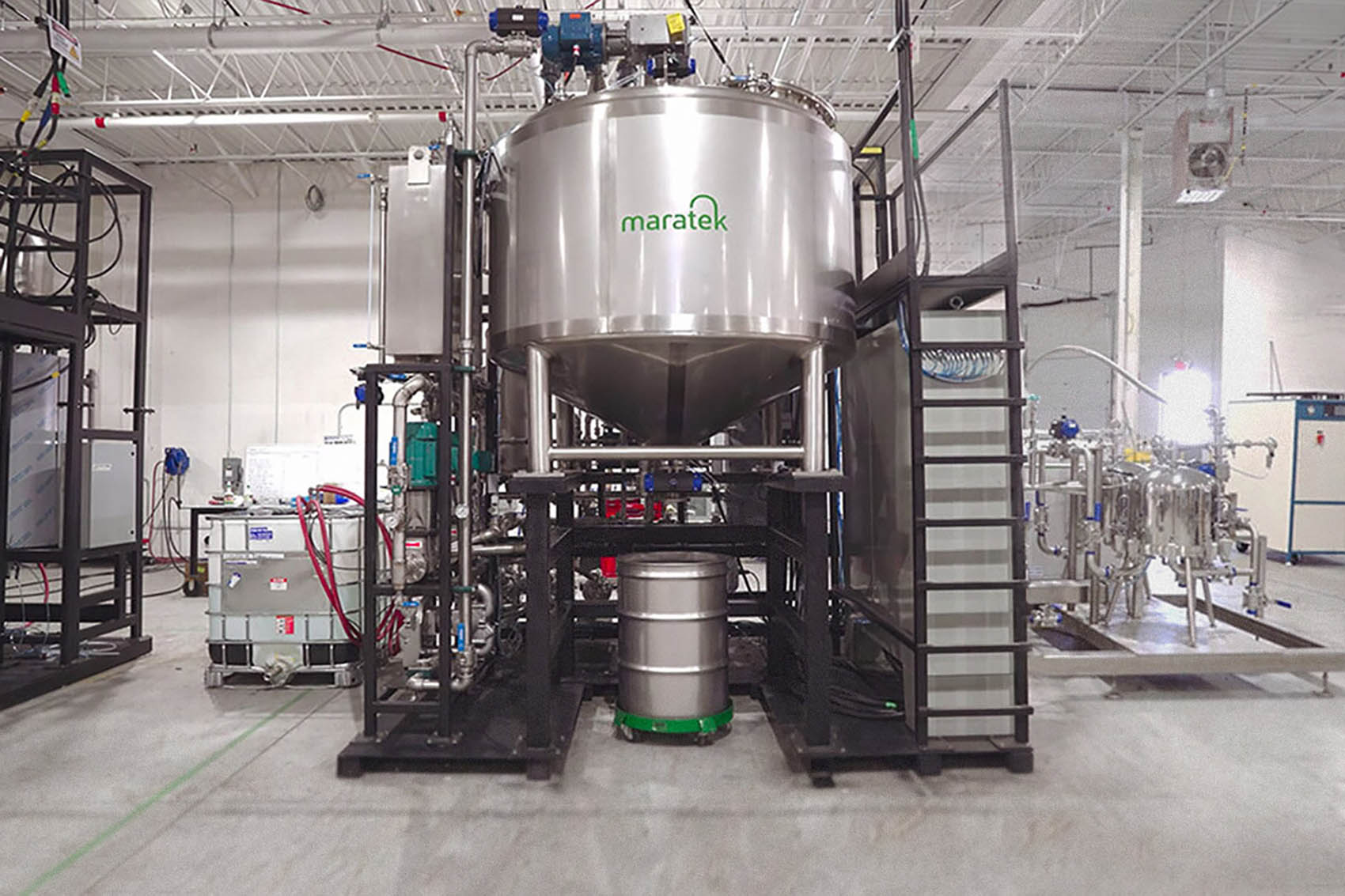
Solvent recovery equipment - which uses distillation to separate reusable solvents from contaminants - attacks both sides of the ledger simultaneously.
### Side 1: Elimination of Most Disposal Volume
Modern solvent recovery systems recover 90–95% of usable solvent from waste streams. What remains after distillation is a small volume of dry residue - resins, pigments, oils - that is significantly less costly to dispose of than drums of liquid hazardous waste. A facility currently shipping 20 drums per month may find that number reduced to 1–2 drums of solid residue after implementing on-site recovery.
### Side 2: Reduction in Virgin Solvent Purchasing
Recovered solvent is returned to your process. Depending on the solvent type and application, recovered material meets or closely approaches the specification of virgin solvent for many end uses. For facilities spending $5,000–$20,000 per month on solvent purchasing, even an 80% reduction in purchase volumes produces substantial annual savings.
### Side 3: Regulatory Cost Reduction
By reducing waste generation volumes, some facilities are able to change their EPA generator status - from Large Quantity Generator (LQG) to Small Quantity Generator (SQG) - resulting in meaningfully lower compliance requirements, reduced inspection frequency, and simplified reporting.
## Illustrative Payback Scenarios
The payback period for solvent recovery equipment depends on three primary variables: your current disposal volume, the cost of virgin solvent, and your waste disposal rate. The table below illustrates how these variables interact across common facility profiles.
| **Facility Profile** | **Monthly Disposal (drums)** | **Monthly Solvent Cost** | **Est. Annual Savings** | **Typical Payback** |
| --- | --- | --- | --- | --- |
| Small manufacturer (1 shift, moderate use) | 5–10 | $3,000–$6,000 | $40,000–$80,000 | 12–24 months |
| Mid-size facility (2 shifts, high solvent use) | 15–25 | $8,000–$15,000 | $100,000–$180,000 | 9–18 months |
| Large plant (continuous operations) | 30+ | $20,000+ | $200,000+ | 6–12 months |
*Note: Figures are illustrative estimates based on typical industry cost ranges. Actual savings depend on solvent type, regional disposal rates, equipment configuration, and facility-specific variables.*
## When Rising Disposal Costs Accelerate the Case
The payback scenarios above assume current disposal rates. The financial case strengthens further when disposal costs rise - which industry data suggests is the prevailing trend.
Several factors are driving upward pressure on hazardous waste disposal costs in North America:
For facilities currently evaluating recovery equipment on the margins of a positive ROI, a 10–20% increase in disposal costs - well within the range of recent market moves - may be sufficient to decisively shift the economics.
## How to Calculate the Payback Period for Your Facility
A straightforward payback analysis for solvent recovery equipment requires four inputs:
With these inputs, annual savings can be estimated as: (disposal drums eliminated x disposal cost per drum) + (solvent recovered x virgin solvent cost per unit). Dividing total equipment cost by annual savings yields the simple payback period.
For most facilities generating more than 10 drums of solvent waste per month, this calculation produces a payback period under two years - often significantly less.
## Reducing the Capital Barrier: Alternative Ownership Models
For facilities where upfront capital expenditure is a constraint, some solvent recovery equipment providers offer alternative commercial structures that allow facilities to access the savings without the initial equipment investment.
Maratek Environmental's [Share The Savings](https://www.maratek.com/sharethesavings) program, for example, provides qualified facilities with solvent recovery equipment at no upfront cost - with savings shared between the facility and Maratek based on documented cost reductions. This structure eliminates the payback period question entirely: the facility begins realizing net savings from day one.
**Ready to Run the Numbers for Your Facility?**
Maratek Environmental provides free cost-savings analyses for qualifying facilities. We'll model your current disposal and solvent purchasing costs against projected savings from on-site recovery - giving you a documented financial case to bring to your operations or finance team.
**[Contact us to request your analysis](https://www.maratek.com/contact-us) or learn more about our [Share The Savings](https://www.maratek.com/sharethesavings) program.**
**[](https://cta-redirect.hubspot.com/cta/redirect/243670/1ec42404-15fb-4078-bed1-cf0332959edc)**
### Get a Quote for Maratek Solvent Equipment or Services
Maratek is the Market Leader in Professionally-Engineered Solvent Recycling and Botanical Extraction Technologies.
[](https://cta-redirect.hubspot.com/cta/redirect/243670/f15923da-3f5e-4639-ab01-4e6bae26d3a6)
### Subscribe To Email Updates:
### Recent Posts:
### Contact Us:

## How Much Can You Save? Find out now! Free Return On Investment Calculator.
[Calculate Your Savings](https://www.maratek.com/roi-calculator)

- [About Us](https://www.maratek.com/about)
- [Partnership Opportunities](https://www.maratek.com/partnership-opportunities)
- [Careers](https://www.maratek.com/careers)
- [Contact Us](https://www.maratek.com/contact-us)
- [Maratek Environmental Services](https://www.maratekenvironmental.com/)
**Visit us on Social**
Industrial Solvent Solutions
- [Industrial Solvent Applications](https://www.maratek.com/industry-applications)
- [Engineer to Order](https://www.maratek.com/engineer-to-order)
- [Solvent Recovery & Recycling](https://www.maratek.com/solvent-recycling-recovery)
- [Oil Recovery & Recycling](https://www.maratek.com/oil-recycling-equipment)
- [Wastewater Purification](https://www.maratek.com/wastewater-purification-treatment-equipment)
Engineering Solvent Solutions
- [Process Design](https://www.maratek.com/process-design)
- [Mechanical Design](https://www.maratek.com/mechanical-design)
- [Project Execution](https://www.maratek.com/project-execution)
Maratek Environmental
- [About Us](https://www.maratek.com/about)
- [Partnership Opportunities](https://www.maratek.com/partnership-opportunities)
- [Careers](https://www.maratek.com/careers)
- [Contact Us](https://www.maratek.com/contact-us)
- [Maratek Environmental Services](https://www.maratekenvironmental.com/)
Learn
- [Resources](https://www.maratek.com/resources)
- [ROI Calculator](https://www.maratek.com/roi-calculator)
- [FAQ](https://www.maratek.com/faq)
Contact Us
**Global: (905) 857-2738
1-800-667-6272**
**sales@maratek.com**
**Canada**
39 Nixon Road, Bolton, Ontario L7E 1K1, Canada
**United States**
250 Monroe Ave. NW, Suite 400, Grand Rapids, MI, 49503
**Germany**
Friedrichstr. 155, 10117 Berlin, Berlin Germany
**Spain**
Avda. de Europa 26 ATICA 5, 2ª planta, 28224 Pozuelo de Alarcón, Madrid, Spain
**UK**
207 Regent Street, Suite 8, Third Floor, W1B 3HH London, United Kingdom
**© 2026 Maratek All Rights Reserved | [Privacy Policy](https://www.maratek.com/privacy-policy) | [Sales Terms](https://www.maratek.com/sales-terms) | [ Maratek Environmental Liquid Waste Recycling Services](https://www.maratekenvironmental.com)**
**Canada | USA | Mexico | Germany | Spain | UK**

```json
{
"@context" : "https://schema.org",
"@type" : "Organization",
"address" : {
"@type" : "PostalAddress",
"addressCountry" : "CA",
"addressLocality" : "Bolton",
"addressRegion" : "ON",
"postalCode" : "L7E 1K1",
"streetAddress" : "39 Nixon Road"
},
"alternateName" : "Maratek",
"contactPoint" : [ {
"@type" : "ContactPoint",
"areaServed" : [ "CA", "US", "DE", "ES", "GB" ],
"contactType" : "sales",
"email" : "sales@maratek.com",
"telephone" : "+1-800-667-6272"
}, {
"@type" : "ContactPoint",
"contactType" : "customer support",
"email" : "service@maratek.com",
"telephone" : "+1-905-857-2738"
} ],
"description" : "Maratek Environmental Inc. designs and manufactures industrial solvent recovery and recycling equipment, serving the paint and coatings, printing, automotive, aerospace, chemical processing, cannabis/hemp, and battery manufacturing industries across North America and Europe.",
"email" : "sales@maratek.com",
"foundingDate" : "1967",
"location" : [ {
"@type" : "Place",
"address" : {
"@type" : "PostalAddress",
"addressCountry" : "US",
"addressLocality" : "Grand Rapids",
"addressRegion" : "MI",
"postalCode" : "49503",
"streetAddress" : "250 Monroe Ave. NW, Suite 400"
},
"name" : "Maratek USA"
}, {
"@type" : "Place",
"address" : {
"@type" : "PostalAddress",
"addressCountry" : "DE",
"addressLocality" : "Berlin",
"postalCode" : "10117",
"streetAddress" : "Friedrichstr. 155"
},
"name" : "Maratek Germany"
}, {
"@type" : "Place",
"address" : {
"@type" : "PostalAddress",
"addressCountry" : "ES",
"addressLocality" : "Pozuelo de Alarcon",
"addressRegion" : "Madrid",
"postalCode" : "28224",
"streetAddress" : "Avda. de Europa 26 ATICA 5, 2a planta"
},
"name" : "Maratek Spain"
}, {
"@type" : "Place",
"address" : {
"@type" : "PostalAddress",
"addressCountry" : "GB",
"addressLocality" : "London",
"postalCode" : "W1B 3HH",
"streetAddress" : "207 Regent Street, Suite 8, Third Floor"
},
"name" : "Maratek UK"
} ],
"logo" : "https://www.maratek.com/hubfs/maratek-logo.png",
"name" : "Maratek Environmental Inc.",
"sameAs" : [ "https://www.facebook.com/MaratekRecycle/", "https://www.linkedin.com/company/maratek-environmental-inc-/" ],
"telephone" : "+1-905-857-2738",
"url" : "https://www.maratek.com"
}
```
```json
{
"@context": "https://schema.org",
"@type": "Article",
"headline": "How Solvent Recovery Equipment Offsets Disposal Costs",
"description": "Rising solvent disposal costs are changing the payback equation - here's when on-site recycling becomes the stronger financial choice.",
"image": "https://243670.fs1.hubspotusercontent-na1.net/hubfs/243670/2026/Blogs/Offset%20Costs%20b.jpeg",
"datePublished": "2026-07-16 12:00:01",
"dateModified": "1784203201824",
"author": {
"@type": "Person",
"name": "Colin Darcel"
},
"publisher": {
"@type": "Organization",
"name": "Maratek Environmental Inc.",
"logo": {
"@type": "ImageObject",
"url": "https://www.maratek.com/hubfs/maratek-logo.png"
}
},
"mainEntityOfPage": {
"@type": "WebPage",
"@id": "https://www.maratek.com/blog/how-solvent-recovery-equipment-offsets-disposal-costs"
}
}
```