Maratek Environmental Solvent Recycling Services
What Is Solvent Reclamation Equipment in Manufacturing?
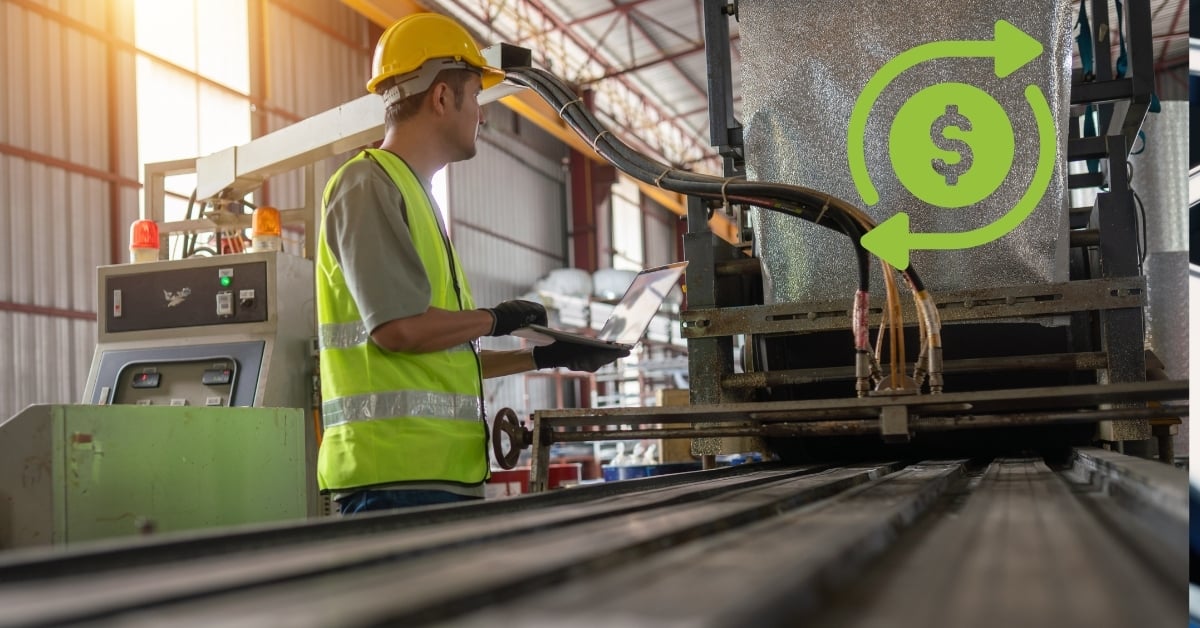
How industrial facilities reduce hazardous waste, support compliance, and recover reusable solvents through safe automated processing.
If your facility uses solvents, for cleaning, degreasing, coating, or printing, you're generating hazardous waste every time those solvents are discarded. For many US and Canadian manufacturers, that means escalating disposal costs, regulatory headaches, and a recurring expense that never goes away.
Solvent reclamation equipment changes that equation. Instead of treating spent solvent as a liability to be hauled away, reclamation technology recovers the usable solvent from waste streams, returning it to your process and eliminating the waste at its source.
This guide explains what solvent reclamation equipment is, how it works, why it matters for manufacturing compliance, and what to look for when evaluating your options.
What Is Solvent Reclamation Equipment?
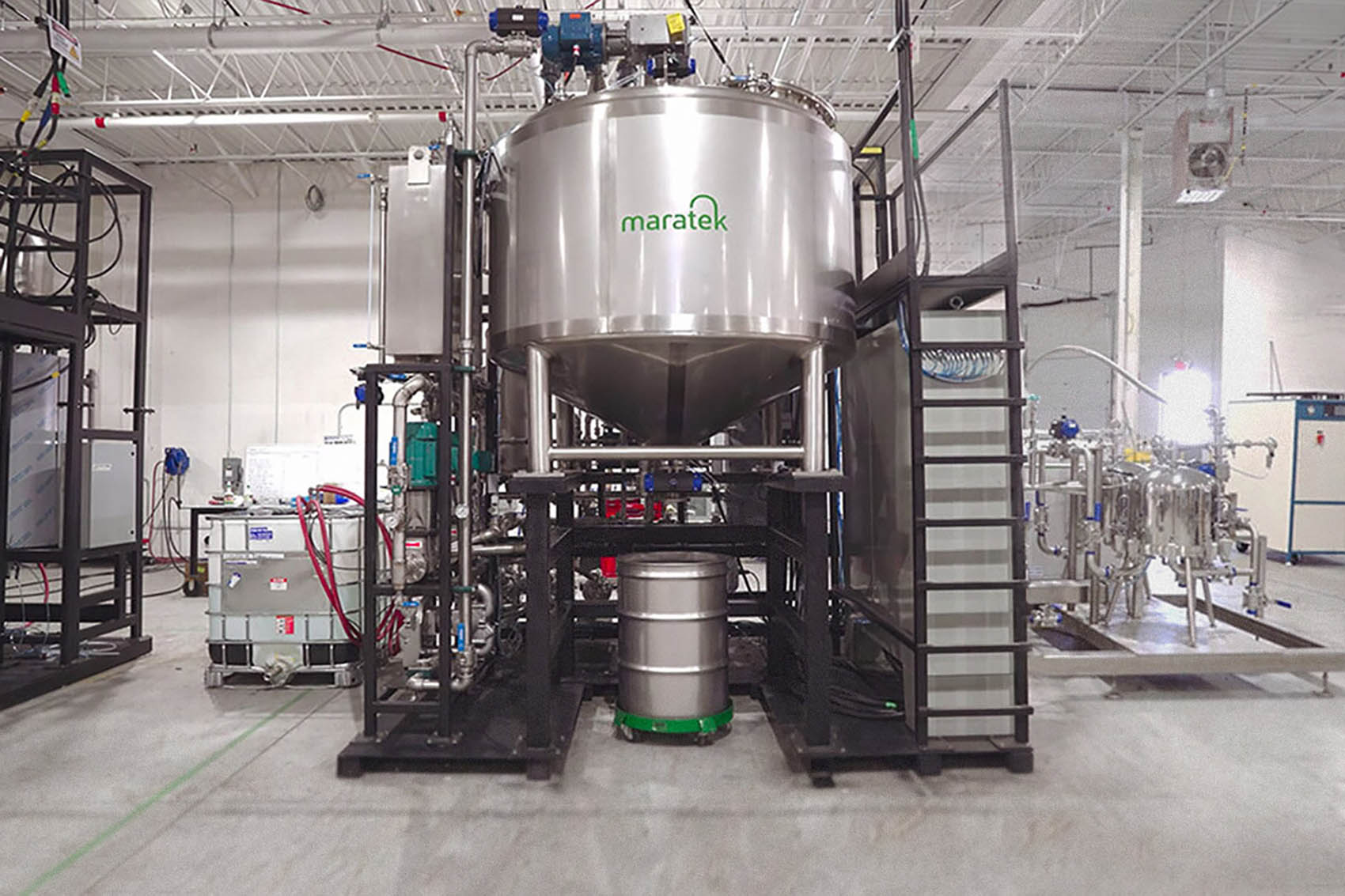
Solvent reclamation equipment, also called solvent recovery equipment or solvent recycling systems, uses distillation to separate reusable solvents from the contaminants introduced during industrial use.
The process works on a simple principle: solvents and contaminants have different boiling points. By heating the waste solvent in a sealed, controlled chamber, the equipment vaporizes the solvent while leaving behind resins, pigments, oils, and other impurities. The vapour is then cooled and condensed back into a clean, reusable liquid solvent.
The result: up to 90–95% of your spent solvent is recovered and returned to production. The remaining waste is a small volume of dry residue, far easier and less costly to dispose of than drums of liquid hazardous waste.
Which Industries Use Solvent Reclamation Equipment?
Solvent reclamation systems are used across a wide range of industrial sectors. Common applications include:
- Paint and coatings manufacturers: recovering acetone, MEK, xylene, and similar solvents from wash operations
- Flexographic and gravure printing operations: reclaiming alcohol- and acetate-based press wash solvents
- Automotive refinishing and parts cleaning: recovering petroleum distillates from degreasing processes
- Aerospace manufacturing: managing tightly regulated solvent use in cleaning and surface preparation
- Cannabis extraction and processing: recovering ethanol and other extraction solvents
- Industrial manufacturing and metal fabrication: reclaiming cleaning solvents from machining and assembly operations
- Chemical processing: recovering process solvents that would otherwise require disposal
- Virgin solvent purchasing: the cost of buying new solvent to replace what's been discarded
- Hazardous waste disposal: typically $30–$80 per drum for manifested pickup and certified disposal, not including regulatory compliance overhead
If your operation generates spent solvent as a by-product of any cleaning, thinning, extraction, or coating process, reclamation equipment is likely applicable.
How Solvent Reclamation Equipment Supports Manufacturing Compliance
For US manufacturers, solvent waste is a regulated material. Whether you're subject to EPA Resource Conservation and Recovery Act (RCRA) requirements, state hazardous waste rules, or air emissions standards for volatile organic compounds (VOCs), how you manage spent solvent has direct compliance implications.
Solvent reclamation equipment reduces your compliance burden in several concrete ways:
✔️ Reduces Hazardous Waste Generator Status
Under RCRA, your regulatory obligations, manifest requirements, storage limits, and reporting thresholds, depend on how much hazardous waste you generate per month. By recovering 90%+ of your solvent on-site, reclamation equipment can move your facility from Large Quantity Generator (LQG) to Small Quantity Generator (SQG) or even Very Small Quantity Generator (VSQG) status, substantially reducing your compliance requirements.
✔️Minimizes Cradle-to-Grave Liability
Under RCRA's cradle-to-grave principle, your facility remains legally responsible for hazardous waste from the point of generation through final disposal, even after it leaves your site. Less waste shipped off-site means significantly reduced liability exposure.
✔️Addresses VOC Emission Requirements
Modern solvent reclamation systems are designed as closed-loop processes, which means solvent vapours are contained and condensed rather than vented to the atmosphere. This supports compliance with EPA VOC emission standards, including NESHAP requirements for halogenated solvent cleaning operations.
✔️Simplifies Record-Keeping and Reporting
With less waste volume moving off-site, your hazardous waste manifests, biennial reporting obligations, and third-party disposal tracking become simpler to manage. For multi-shift or multi-location operations, this can represent meaningful administrative savings.
The Financial Case for Solvent Recovery
Beyond compliance, solvent reclamation equipment makes a straightforward financial argument. Facilities using significant volumes of industrial solvents face two recurring costs that reclamation directly attacks:
For a facility disposing of 20–30 drums of solvent waste per month, annual savings from reclamation, combining reduced purchases and avoided disposal costs, can exceed $100,000. Many operations recover their equipment investment within 12 to 24 months.
What to Look for in Solvent Reclamation Equipment
Not all solvent recovery systems are designed equally. When evaluating options, focus on these key criteria:
Solvent Compatibility
Different solvents have different boiling points, flammability ratings, and chemical properties. Ensure the equipment you select is specifically engineered for your solvent type. Acetone, MEK, toluene, ethanol, IPA, and other solvents each require specific design considerations for safe, effective recovery.
Processing Capacity
Match the system's batch or continuous processing capacity to your actual waste generation volumes. Undersized systems create bottlenecks; oversized systems represent unnecessary capital expenditure. A reputable manufacturer will conduct a waste stream analysis before recommending a system size.
Safety Features
Distillation of flammable solvents requires rigorous engineering controls. Look for systems with integrated explosion-proof electrical components, thermal protection cutoffs, pressure relief valves, and inert gas (nitrogen) blanketing where appropriate. Compliance with NFPA and applicable CSA or UL standards is essential.
Automation and Ease of Operation
Modern solvent recovery systems should require minimal operator intervention. Automated cycle control, programmable run times, and easy-clean residue removal reduce labour requirements and minimize the potential for operator error. Systems with PLC-based controls and remote monitoring capabilities offer additional operational advantages.
After-Sales Support and Service
Solvent recovery equipment is a long-term capital investment. Evaluate manufacturers based on their parts' availability, technical support responsiveness, and service history, not just the initial purchase price.
Batch vs. Continuous Recovery Systems: Which Is Right for You?
Solvent reclamation equipment is generally available in two configurations:
Batch systems process a fixed volume of solvent in discrete cycles. They are well-suited to operations with moderate or variable waste volumes, multiple solvent types, or facilities where reclamation runs overnight or between shifts. Batch units are typically lower in capital cost and simpler to operate.
Continuous systems process waste solvent as it is generated, feeding contaminated solvent in and returning clean solvent to the process in real time. They are best suited for high-volume operations with consistent waste streams, where downtime for batch changeovers is not operationally acceptable.
Is Solvent Reclamation Right for Your Facility?
The right starting point is understanding your current solvent consumption and waste disposal volumes. With that information, a recovery equipment specialist can model your projected savings, recommend an appropriately sized system, and walk you through the compliance implications for your specific waste stream.
Maratek Environmental has been designing and manufacturing solvent recovery equipment for industrial facilities in North America since 1967. Our systems are engineered for specific solvent types, sized to your actual waste volumes, and backed by in-house technical support.
Contact us to discuss your application or request a cost-savings analysis.

Get a Quote for Maratek Solvent Equipment or Services
Maratek is the Market Leader in Professionally-Engineered Solvent Recycling and Botanical Extraction Technologies.